LEARN HOW TO PROSPER USING THE INTERNET IN 2025!



Jerome Powell: The Man Behind U.S. Monetary Policy and His Global Impact
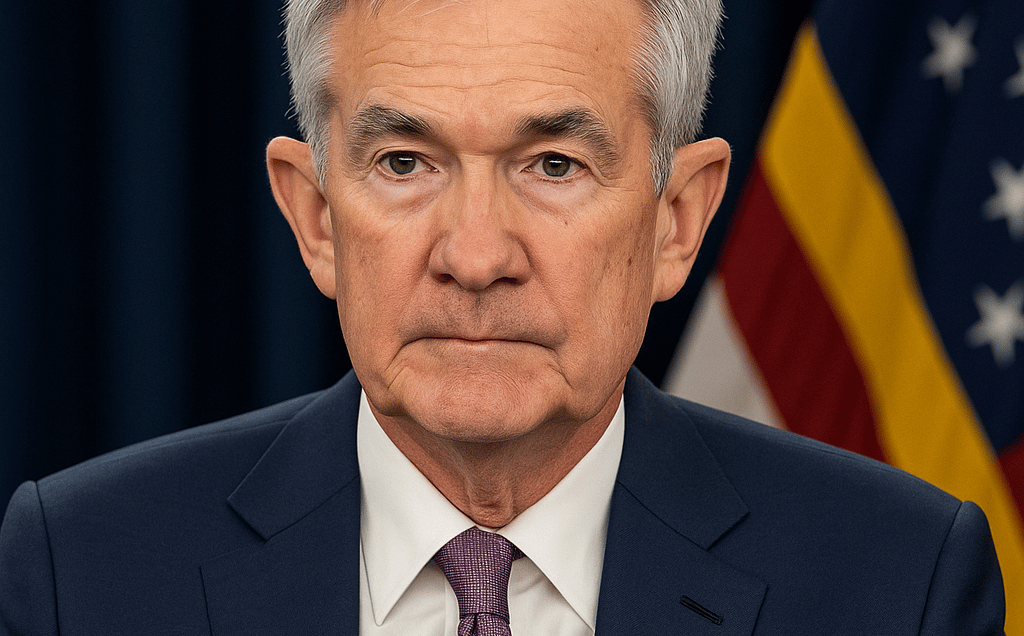
Jerome Powell, Chairman of the Federal Reserve (the central bank of the United States), is one of the most influential figures in the global economy. His decisions affect financial markets, economic policies, and even the daily lives of people around the world. In this article, we will explore who Jerome Powell is, how he rose to lead the Fed, and the global impact of his decisions.
BUSINESS AND FINANCE
Michel Lima
4/17/20253 min read
Who Is Jerome Powell?
Jerome Hayden Powell was born on February 4, 1953, in Washington, D.C. He is a trained lawyer, with a law degree from Georgetown University, but built most of his career in finance and public institutions. Before becoming the Chairman of the Federal Reserve, Powell worked in investment banks, philanthropic foundations, and held positions at the U.S. Treasury Department.
Career Before the Federal Reserve
In the 1990s, Powell served as Under Secretary of the Treasury under President George H. W. Bush, where he worked on financial market regulations. He later worked for investment firms like the Carlyle Group. In 2012, he was appointed to the Federal Reserve Board of Governors by President Barack Obama, and in 2018 he was named Fed Chair by President Donald Trump. President Joe Biden reappointed him in 2022.
The Role of the Federal Reserve
The Federal Reserve is responsible for conducting U.S. monetary policy. Its main goal is to maintain price stability and promote maximum employment. It does so primarily by setting the benchmark interest rate of the American economy, known as the Fed Funds Rate.
How the Fed Influences the Economy
When the Federal Reserve lowers interest rates, it stimulates consumption and investment by making credit cheaper. On the other hand, raising interest rates aims to curb inflation and prevent economic overheating. These decisions directly affect the real estate market, stock exchanges, exchange rates, and even the prices consumers pay at the grocery store.
Powell and Post-Pandemic Monetary Policy
Jerome Powell faced one of the biggest challenges of his career during the COVID-19 pandemic. In 2020, the Fed drastically reduced interest rates and implemented asset purchase programs to ensure liquidity in the financial system. These measures helped prevent a deeper financial crisis.
Tackling Inflation
As the economy recovered, the U.S. began facing high inflation, levels not seen in decades. Powell's Fed responded by initiating an aggressive cycle of interest rate hikes. These actions have sparked intense debates among economists and politicians about their effects on growth and employment.
Global Impact of Powell's Decisions
Powell's decisions at the helm of the Fed have far-reaching consequences. Since the U.S. dollar is the primary reserve and trade currency globally, any change in American interest rates directly affects emerging markets, exchange rates, and debt costs in countries like Brazil, India, and South Africa.
The Effect on Emerging Economies
With higher interest rates in the U.S., investors tend to pull funds from developing countries to seek better returns in U.S. bonds. This can lead to currency depreciation, imported inflation, and difficulties for governments and companies to repay dollar-denominated debt.
Praise and Criticism
Jerome Powell's performance is not without criticism. Some analysts argue that the Fed was slow to react to rising inflation, keeping monetary stimulus in place for too long. Others praise his firm and transparent communication with the market, which brings predictability and stability.
Leadership Style
Powell is known for his pragmatic approach, without strong ideological bias. He seeks to balance various economic goals and maintains ongoing dialogue with Congress, the private sector, and other central banks.
What Lies Ahead?
With the U.S. economy still adjusting after the pandemic, Powell's work is far from over. The current challenge is to reduce inflation without triggering a severe recession. Additionally, the Fed must address new issues like the impact of climate change on the economy, the digitalization of the financial system, and global geopolitical uncertainties.
Why It Matters to Follow the Fed's Decisions
Even if you don’t live in the United States, following the Federal Reserve's decisions and Jerome Powell’s speeches is crucial to understanding the direction of the global economy. Exchange rates, inflation, commodity prices, and investments are all influenced by these decisions.
Conclusion
Jerome Powell is undoubtedly one of the most influential figures in today’s economic landscape. As Chairman of the Federal Reserve, his decisions shape not only the future of the U.S. but also the global financial balance. For investors, entrepreneurs, and ordinary citizens, understanding Powell’s role is key to navigating an increasingly interconnected world.